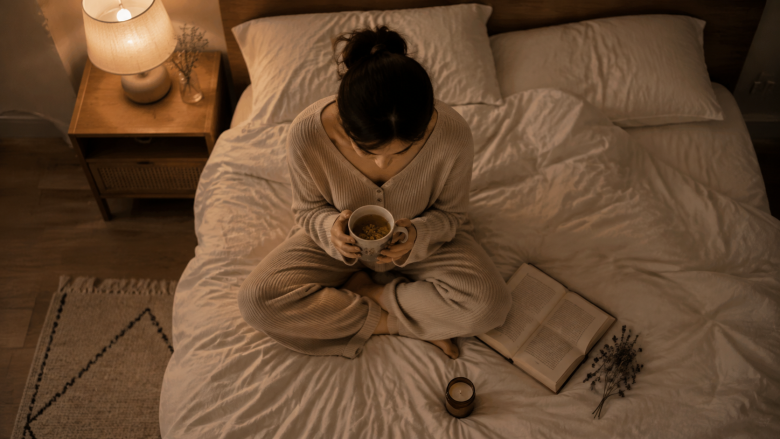
Why Your Bedtime Routine Is Missing the Most Important Step You already know the basics: dim the lights, put the phone away, sip some chamomile tea. You have probably tried all of that, and it still takes you an hour to fall asleep because your brain refuses to shut off. The missing piece is not …
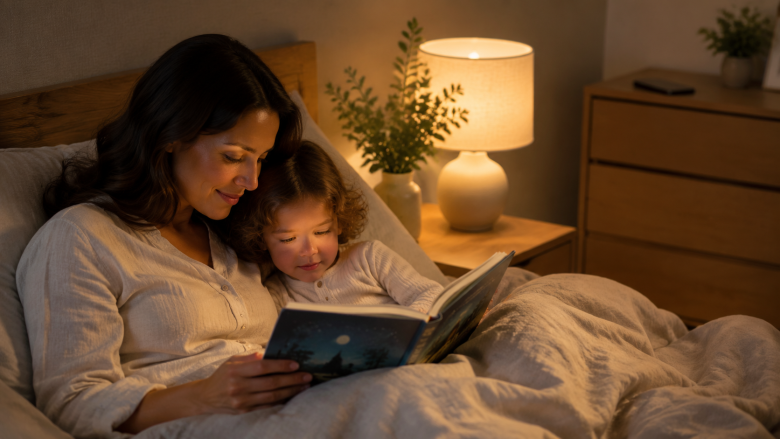
The Short Answer: Yes, But Not for the Reason You Think You've heard it a hundred times: put down your phone an hour before bed. But does that actually improve sleep? The honest answer is yes, but not primarily because of the blue light. The bigger factor is what you're not doing when you're on …
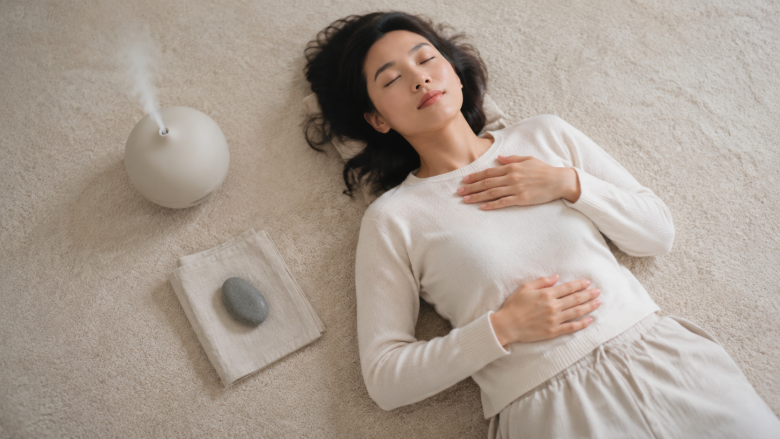
Ever tried to relax and felt even more wound up? You're not alone. Most relaxation advice treats every stressed person the same: take a deep breath, meditate, go for a walk. But if you've tried these and they didn't work, it's because your stress isn't just in your head or just in your body. It's …

If you are reading this, you have probably already heard that magnesium can help you sleep. But you are likely missing the three details that actually make it work: how much to eat, when to eat it, and how to prepare those foods so your body can use the magnesium. Most articles list a dozen …
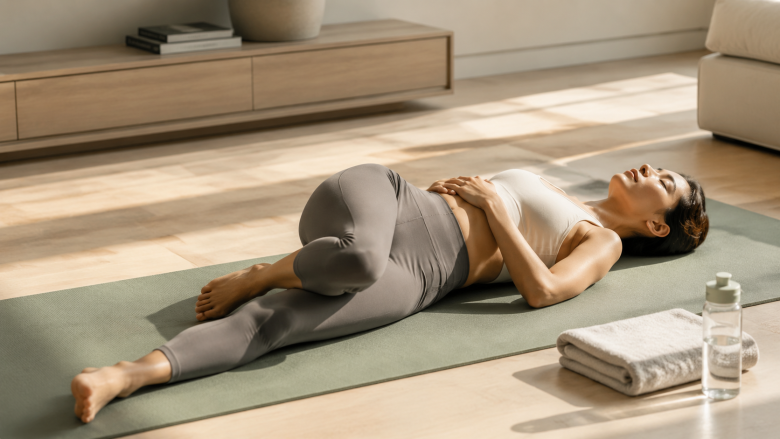
Stop Trying to Calm Your Mind. Calm Your Body First. The fastest way to relax your body is not to think about relaxing it. It is to use physical interventions that directly signal your nervous system to shift out of fight-or-flight. Techniques like the physiological sigh, cold water on your face, and shaking your limbs …
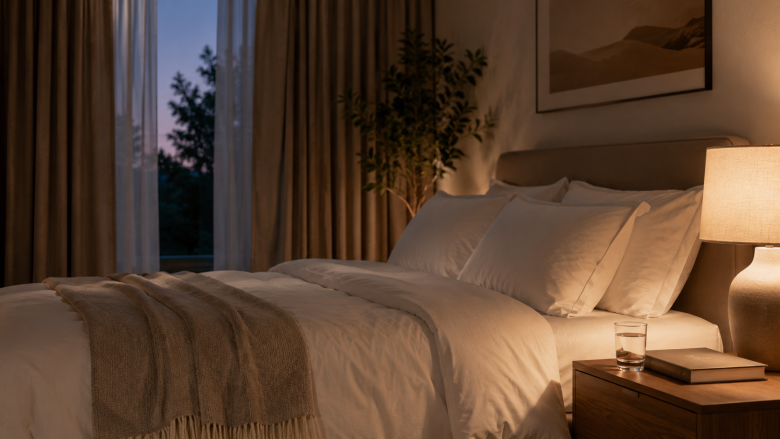
The Missing Piece in Most Bedroom Setup Advice If you have tried every tip about blackout curtains, white noise machines, and decluttering - and you still wake up groggy - you are not alone. The standard advice works, but it only scratches the surface. A truly sleep-optimized bedroom goes beyond darkness and temperature. It targets …
Plan a family evening routine for peaceful sleep, coordinating activities, stories, and shared wind-down for all.
Use a travel bedtime routine to ease jet lag, adapting to new time zones with light, meals, and portable habits.
Track sleep patterns at home with journals, apps, and observations to identify trends and improvements.
Adjust light for evening calm, using dimmers, candles, and filters to mimic sunset and prepare for sleep.