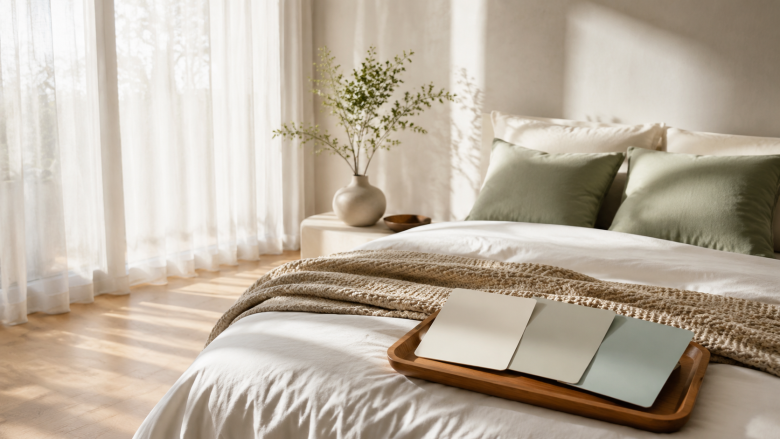
The Short Answer: Blue Is Best, But Context Matters More If you want the single most calming bedroom color, it is a muted, desaturated blue - think dusty blue or slate. Research has consistently linked blue tones with lower heart rates and better sleep quality. A 2013 survey of 2,000 UK adults by University of …
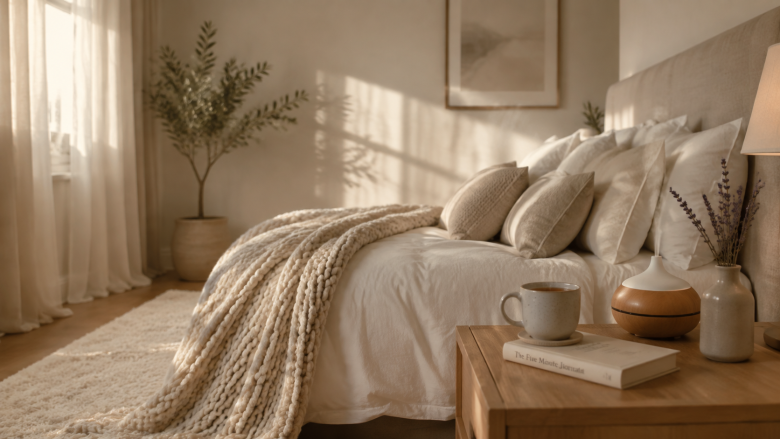
Your bedroom is not a showroom. It's a sensory environment that either prepares your nervous system for rest or keeps it scanning for threats. Most advice on relaxing bedroom layouts focuses on what you see: colors, furniture placement, decluttered shelves. That's half the story. The other half is what you hear, smell, feel, and even …
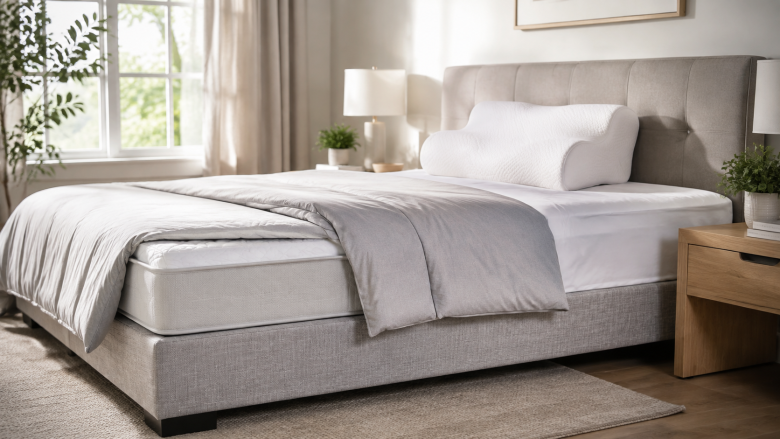
When you search for 'best mattress for back pain,' you get hundreds of reviews of the latest memory foam or hybrid. But after 15 years of helping clients fix sleep issues, I've learned that the mattress is only one third of the equation. The other two thirds are the foundation it sits on and the …
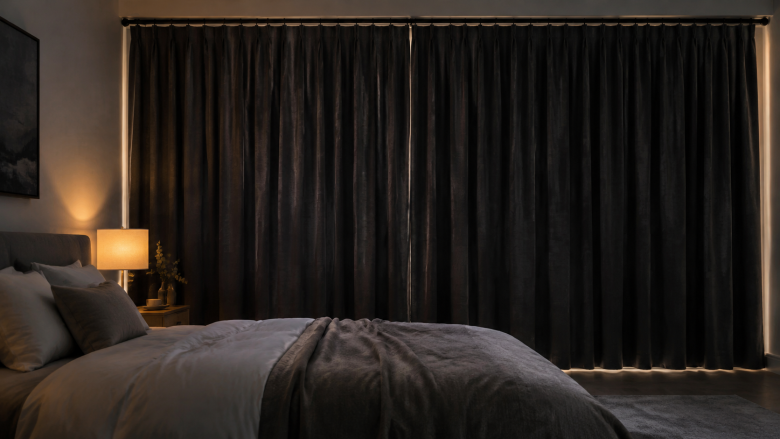
Why Your Blackout Curtains Are Lying to You (and What Actually Works) If you are reading this because you just searched for the best curtains for dark sleep, I am going to assume you have already tried the standard route. You bought the 100% blackout panel from a major online retailer, hung it over your …
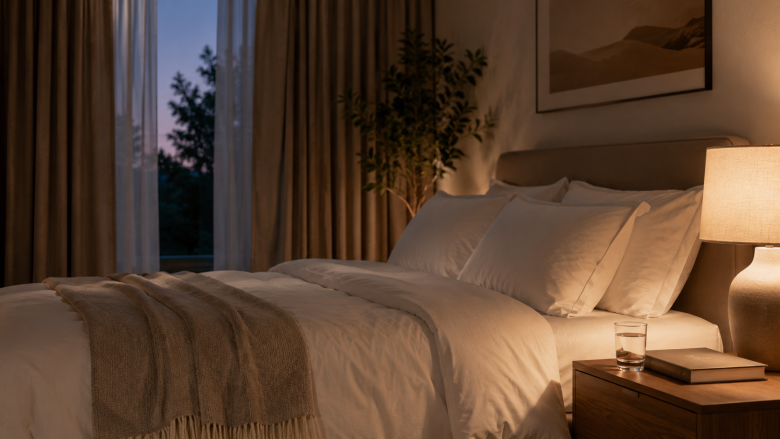
The Missing Piece in Most Bedroom Setup Advice If you have tried every tip about blackout curtains, white noise machines, and decluttering - and you still wake up groggy - you are not alone. The standard advice works, but it only scratches the surface. A truly sleep-optimized bedroom goes beyond darkness and temperature. It targets …
See how to create a sleep-friendly bedroom setup, covering lighting, temperature, noise control, and clutter reduction.
Adjust room temperature for sound sleep with these tips. Methods for cooling, ventilation, and bedding layers to maintain ideal conditions overnight.
Get bedroom arrangement tips for restful nights. Furniture placement, color choices, and accessory ideas to optimize space for comfort and sleep support.
Try 5 easy bedroom tweaks for quicker sleep improvements. Simple changes like pillow positioning, scent options, and clutter reduction to enhance comfort and support faster sleep entry.
Learn methods to block light effectively for deeper sleep. Explore curtains, masks, and room tweaks that minimize light exposure, supporting your natural sleep cycles and longer rest periods.