Relaxation Is Not One-Size-Fits-All If you have ever tried deep breathing during a panic attack and felt worse, or attempted meditation while exhausted and just fell asleep, you already know the dirty secret of relaxation advice: the right exercise depends entirely on your current state. Generic lists of techniques fail because a racing, panicked nervous …
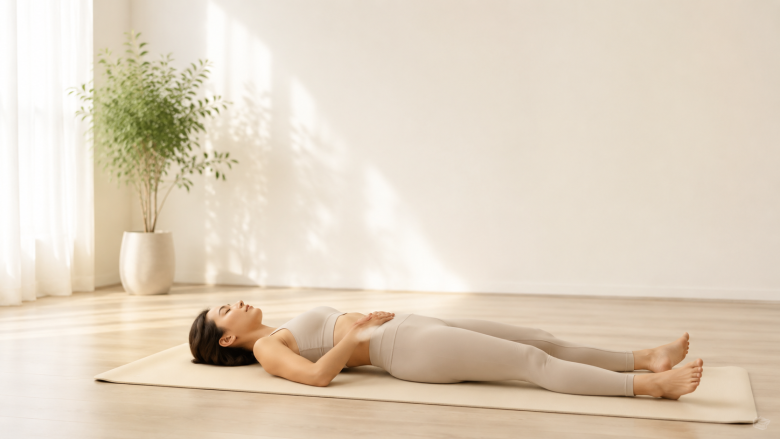
Yoga Nidra Is Not Just a Nap - It's a Targeted Nervous System Reset Yoga nidra, often called "yogic sleep," is a guided meditation technique that induces a state of deep relaxation while keeping you inwardly aware. Unlike a nap, you remain conscious, but your brain waves slow to the threshold of sleep. The result …
Match the Technique to Your Symptom, Not Just the Label "Anxiety" Anxiety is not one experience. It is a cluster of symptoms that feel completely different depending on the person and the moment. Racing thoughts at 2 a.m. feel nothing like the chest tightness before a presentation, and neither feels like the sudden wave of …
Why Most Breathing Advice Fails You The 4-7-8 breathing technique is everywhere. It is also the wrong tool for at least half the situations people use it for. If you are about to walk into a high-stakes meeting, using 4-7-8 will make you less sharp, not more. That is not an opinion. It is a …
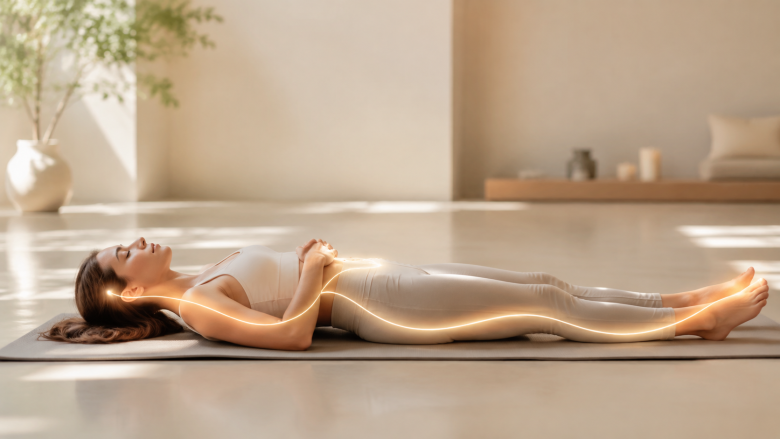
What Most Body Scan Guides Get Wrong If you have searched for body scan instructions before, you probably found the same generic advice: lie down, close your eyes, and slowly move your attention from your toes to your head. That works, but it misses the deeper purpose. A body scan is not just a relaxation …
Ever tried to relax and felt even more wound up? You're not alone. Most relaxation advice treats every stressed person the same: take a deep breath, meditate, go for a walk. But if you've tried these and they didn't work, it's because your stress isn't just in your head or just in your body. It's …
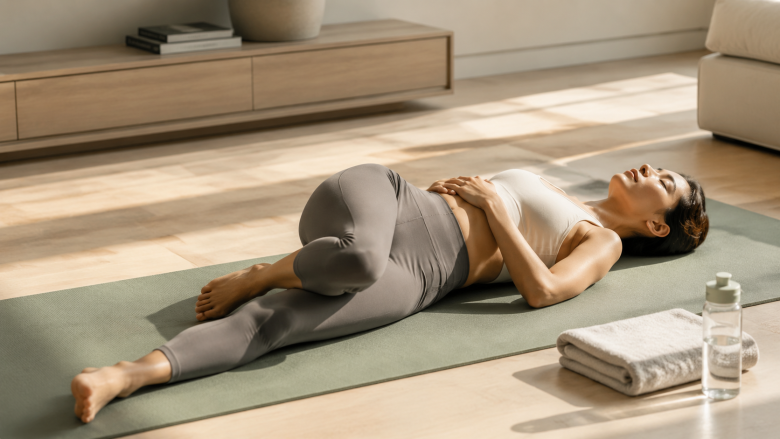
Stop Trying to Calm Your Mind. Calm Your Body First. The fastest way to relax your body is not to think about relaxing it. It is to use physical interventions that directly signal your nervous system to shift out of fight-or-flight. Techniques like the physiological sigh, cold water on your face, and shaking your limbs …
Adjust light for evening calm, using dimmers, candles, and filters to mimic sunset and prepare for sleep.
Practice how to fall asleep faster with breathing techniques, including patterns and sequences for quick relaxation.
Learn how to wind down effectively before bed, using reading, meditation, and environment tweaks for smoother sleep transition.