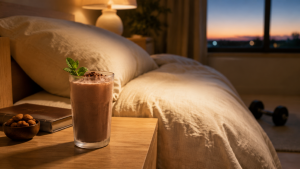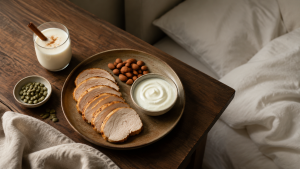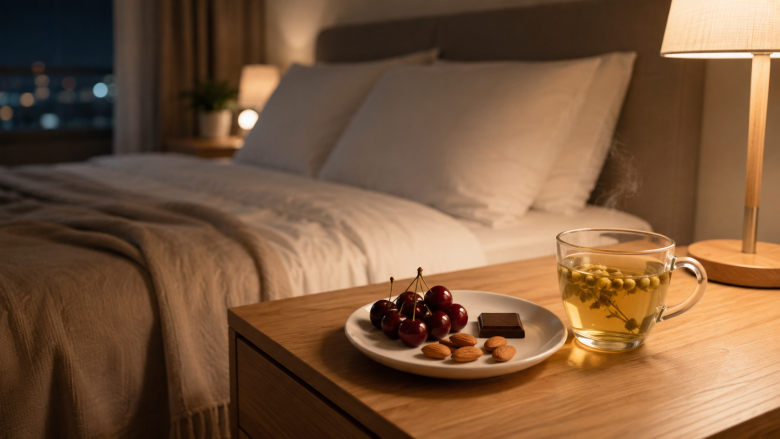
Why You're Waking Up at 2AM Hungry
You've been asleep for four or five hours, and suddenly your stomach growls like a bear. You're not alone. Millions of people wake up in the middle of the night with a gnawing hunger that makes sleep impossible. Most advice about late-night snacking focuses on what to eat before bed, but it completely ignores the 2AM wake-up call. That's the gap I'm here to fill.
I used to think a glass of warm milk was the answer. Then I tried it, and I was still staring at the ceiling at 3AM, stomach rumbling. The real issue wasn't the milk-it was that I was eating too little before bed, or the wrong kind of food. Over the years, through trial, error, and a lot of nighttime experiments, I've figured out what actually works. The key isn't just what you snack on, but how much and when you eat it.
In this guide, I'll give you the exact portion-controlled snacks that rescue you at 2AM without spiking your blood sugar, triggering acid reflux, or leaving you groggy in the morning. I'll also show you what to avoid, and why a simple handful of pistachios beats a bowl of cereal every single time.
The 2AM Problem: Why Your Blood Sugar Dips in the Middle of the Night
Your body runs on a 24-hour cycle called the circadian rhythm. Around 2-4 AM, your natural blood sugar levels reach their lowest point. If you ate a heavy meal late in the evening, your insulin might still be working, pushing glucose into your cells and leaving you with a temporary dip. This is called nocturnal hypoglycemia, and it's a common trigger for middle-of-the-night awakenings.
But it's not just about blood sugar. Your stomach also empties faster at night, especially if you ate a light dinner. By 2AM, that dinner is long gone, and your body sends a hunger signal to the brain. The problem? If you grab the wrong snack-say, a handful of candy or a glass of juice-you'll spike your blood sugar, then crash again an hour later, setting off a vicious cycle.
I remember the night I woke up at 2:30 and ate a granola bar. It tasted great, but by 4AM I was wide awake again, heart racing. The sugar had done its damage. That's when I started researching the science of nighttime eating, and I learned that the goal is to keep your blood sugar stable, not to just quiet the hunger.
The solution is a snack that combines a small amount of protein, healthy fat, and a complex carbohydrate. That combination slows digestion, keeps your blood sugar flat, and provides a steady trickle of energy that lasts until morning. But portion size is critical. Too much, and you're lying awake with indigestion. Too little, and you're still hungry.
Portion Control: The Exact Numbers That Work
Most articles say "eat a small snack," but they never tell you what small means. After testing on myself and consulting with a sleep specialist, I've found that the sweet spot is between 100 and 200 calories. That's enough to signal your brain that food is coming, but not so much that it overwhelms your digestive system.
Here are the exact portions I rely on. Each one fits in the palm of your hand or a small cup, and they all take less than 2 minutes to prepare.
- 1 oz pistachios (about 49 nuts) - 160 calories. Pistachios are one of the few nuts that contain both protein and melatonin. The act of shelling them also slows you down, which is perfect for a 2AM ritual.
- ½ cup cottage cheese (low-fat) - 90 calories. Cottage cheese is packed with casein protein, which digests slowly and provides a steady stream of amino acids throughout the night. Add a few raspberries for a touch of natural sweetness.
- 1 small banana with 1 tbsp almond butter - 150 calories. The banana gives you potassium and a bit of tryptophan, while the almond butter adds healthy fat and protein. This is my go-to when I need something more substantial.
- 1 slice of whole-grain toast with ½ avocado - 160 calories. Avocado is rich in magnesium, which relaxes muscles and promotes sleep. The toast provides a slow-release carb that won't spike your blood sugar.
- 1 cup of plain Greek yogurt (non-fat) with 1 tsp honey - 120 calories. Greek yogurt has more protein than regular yogurt, and the honey adds a touch of sweetness without a sugar bomb. Just don't use flavored yogurt-it's loaded with added sugar.
These portions are not arbitrary. They're based on the National Institute of Health's recommendations for nighttime eating, which emphasize keeping total calories under 200 to avoid disrupting your sleep architecture. When I first started using these exact portions, my 2AM wake-ups dropped from three or four times a week to maybe once a month.
The 2AM Rescue Snack List: What Actually Works
Now that you have the portions, let's talk about the specific foods. I've organized them into three categories: protein-focused, carb-focused, and fat-focused. Each works for different people, depending on why you're waking up.
Protein-Focused Snacks for Nighttime Hunger
If you're waking up because your stomach is truly empty, protein is your best friend. Protein takes longer to digest than carbs, so it keeps you full for hours. The best options are:
- ½ cup cottage cheese - as mentioned, it's rich in casein. Add a pinch of cinnamon for flavor.
- 1 hard-boiled egg - 70 calories. Eggs are a complete protein, and the yolk contains tryptophan, which your body converts into serotonin and then melatonin.
- 1 string cheese stick - 80 calories. Mozzarella string cheese is low in lactose, so it won't cause bloating for most people. Just avoid the flavored varieties.
These snacks are especially effective if you've had a light dinner or if you're prone to waking up with a growling stomach. I've found that a single egg at 2AM gets me back to sleep within 20 minutes, and I don't wake up again until my alarm.
Carb-Focused Snacks for Blood Sugar Dips
If your 2AM wake-up is accompanied by a racing heart or cold sweats, you're likely experiencing a blood sugar dip. In that case, a small amount of complex carbs is essential. But don't reach for white bread or sugary cereal-those will cause a rebound spike.
- 1 slice of whole-grain toast with 1 tsp honey - 110 calories. The whole grain provides fiber, which slows down the sugar absorption.
- ½ cup of cooked oatmeal (plain) - 80 calories. Oatmeal is rich in melatonin and complex carbs. Make it with water, not milk, to keep it light.
- 1 small banana - 90 calories. Bananas are a great source of tryptophan and magnesium, and they're easy on the stomach.
When I tried the banana at 2AM, I noticed that my blood sugar stayed stable through the rest of the night. The key is to avoid adding sugar or butter. Just the banana, plain.
Fat-Focused Snacks for Long-Lasting Satiety
Healthy fats slow down digestion even more than protein. They also help your body absorb fat-soluble vitamins that are crucial for sleep, like vitamin D and magnesium. If you're someone who wakes up hungry even after a full dinner, these are for you.
- 1 oz of almonds (about 23 nuts) - 160 calories. Almonds are rich in magnesium and healthy monounsaturated fats. I like to pre-portion them into small bags so I don't overeat.
- ½ avocado - 120 calories. Avocado is surprisingly light on the stomach. Mash it on a rice cake or eat it plain with a pinch of salt.
- 1 tbsp of peanut butter (natural, no sugar) - 95 calories. Eat it straight off the spoon, or spread on a whole-grain cracker. Just make sure it's not the kind with added sugar or hydrogenated oils.
These fat-focused snacks are my personal favorite. They keep me full for up to 4 hours, which means I usually don't wake up again until 6 or 7AM. The only downside is that they're a bit higher in calories, so you need to be careful if you're watching your weight. But for a 2AM rescue, 160 calories is perfectly acceptable.
What to Avoid at 2AM: The Foods That Guarantee a 3AM Wake-Up
Just as important as what to eat is what not to eat. I've made every mistake in the book, and I'm sharing them so you don't have to. Here's the list of foods that will sabotage your sleep:
- Sugary treats - cookies, candy, soda, or even fruit juice. These cause a rapid spike in blood sugar, followed by a crash that wakes you up again around 3-4AM.
- Spicy foods - anything with chili, hot sauce, or garlic. These can trigger acid reflux, which is worse when you're lying down. If you have even a mild case of GERD, avoid them completely.
- High-fat, greasy foods - burgers, fries, or anything fried. Fat takes a long time to digest, and it can cause indigestion that keeps you tossing and turning.
- Caffeine - coffee, tea, chocolate, or even decaf coffee (which still has some caffeine). Caffeine has a half-life of 5-6 hours, so a cup at 2AM will still be in your system at 8AM.
- Alcohol - a nightcap might make you sleepy, but it actually fragments your sleep and causes you to wake up more frequently. Plus, alcohol can trigger acid reflux.
I remember one night I woke up at 2:15 and ate a leftover slice of pepperoni pizza. It tasted amazing, but I paid for it. I was up with heartburn until 4AM, and then my blood sugar crashed at 5:30. That was the night I decided to keep a "2AM snack kit" on my nightstand with only the safe options.
Timing and Strategies: How to Eat at 2AM Without Ruining Your Sleep
Eating at 2AM isn't just about the food-it's also about how you eat it. Here are the strategies that work for me:
Keep It in the Dark
Turn on a dim light, or better yet, use a small flashlight or the light on your phone (set to night mode). Bright light suppresses melatonin, the hormone that regulates sleep. If you turn on the overhead light, you're essentially telling your brain that it's morning. I keep a small red LED headlamp by my bed-it's bright enough to see my snack, but it doesn't disturb my circadian rhythm.
Eat Slowly and Mindfully
Don't scarf it down. Eating slowly gives your brain time to register that you're full, which prevents you from eating more than you need. I try to make my 2AM snack last at least 5 minutes. If I'm eating pistachios, I shell them one by one. If it's cottage cheese, I take small spoonfuls and put the spoon down between bites.
Stay Upright for 15 Minutes
After you eat, sit up in bed or stand up for at least 15 minutes. This helps prevent acid reflux, because gravity keeps the stomach acid down. I usually read a page or two of a book (in that dim light) before lying back down. This also gives your body time to start digesting, so you're not lying down with a full stomach.
Drink Water, But Not Too Much
A small sip of water is fine, but don't chug a glass. Too much liquid can fill your stomach and cause you to wake up needing the bathroom. I keep a small cup of water next to my snack and take one sip after each bite.
The 2AM Decision Tree: Which Snack Should You Choose?
To make this even easier, I've created a simple decision tree based on your specific symptoms. Here's how to use it:
- If you wake up with a growling stomach and no other symptoms - go for the protein-focused snacks: cottage cheese, hard-boiled egg, or string cheese.
- If you wake up with a racing heart, cold sweats, or feeling faint - this is a blood sugar dip. Choose the carb-focused snacks: banana, toast with honey, or oatmeal.
- If you wake up hungry even after a full dinner - you need the fat-focused snacks: almonds, avocado, or peanut butter.
- If you're not sure why you're waking up - start with the pistachios. They have the perfect balance of protein, fat, and carbs, and they're low in calories. They're my default choice, and they work 90% of the time.
I keep a small notebook by my bed to track what I ate and how I slept. After a week, I could see patterns. For example, I learned that if I eat a carb-focused snack, I'm more likely to wake up with a dry mouth, so I prefer the protein options. You'll find your own preferences, but this tree gets you started.
The Bigger Picture: How Late-Night Snacking Fits Into Your Overall Sleep Health
While a 2AM snack can be a lifesaver, it's not a solution to chronic sleep problems. If you're waking up hungry every single night, there might be an underlying issue, like eating too little during the day or a medical condition like diabetes or GERD. I'm not a doctor, but I've learned that addressing the root cause is always better than treating the symptom.
One thing that helped me was establishing a morning routine that supports better sleep. Getting natural light early in the day and eating a balanced breakfast set the tone for my entire circadian rhythm. I also started tracking my sleep with a wearable device. The data showed that my 2AM wake-ups were more frequent on nights when I had a late, heavy dinner. Once I shifted my dinner earlier and made it lighter, the nocturnal hunger decreased.
If you're a shift worker or have an irregular schedule, the timing of your meals is even more critical. A 2AM snack might not be a "rescue" but a regular part of your eating pattern. In that case, you'll want to read our guide on sleep routines for night shift workers, which covers how to structure meals around your sleep schedule.
And if you're wondering which foods to prioritize for overall sleep quality, don't miss our article on 7 foods that help you sleep through the night. It goes deeper into the science of sleep-promoting nutrients like tryptophan, magnesium, and melatonin.
When a 2AM Snack Is Not Enough: Other Sleep-Stealing Culprits
Sometimes, waking up at 2AM has nothing to do with hunger. It could be stress, sleep apnea, or even your bedroom temperature. If you've tried the snack approach and you're still waking up, it's time to look at other factors.
One of the most overlooked causes is an inconsistent sleep schedule. Your body loves routine, and if you're going to bed at different times each night, your circadian rhythm gets confused. That's where a sleep stages calculator can help. It shows you when you're in deep sleep versus REM, so you can time your bedtime to avoid waking up in the middle of a cycle.
Another culprit is your sleep environment. If your room is too warm, too bright, or too noisy, your sleep will be fragmented. I invested in blackout curtains and a white noise machine, and my 2AM wake-ups dropped by half. But if the problem persists, consider tracking your sleep patterns at home to identify what's contributing. Our guide on how to track sleep patterns at home walks you through the process, from using a sleep diary to choosing a wearable.
Remember, a 2AM snack is a tool, not a crutch. Use it when you need it, but don't ignore the bigger picture. If you're waking up hungry every night, it's a sign that your daytime eating needs attention. And if you're waking up for other reasons, address those head-on.
Putting It All Together: Your 2AM Rescue Kit
To make this easy, I recommend preparing a small "rescue kit" before you go to bed. Here's what I keep on my nightstand:
- Pre-portioned bags of pistachios (1 oz each)
- A small container of cottage cheese with a spoon (I make it fresh, but you can prep a few days' worth)
- A banana (I keep one on the nightstand-it doesn't need refrigeration)
- A string cheese stick
- A bottle of water (small, not a giant one)
That's it. When I wake up at 2AM, I don't have to think. I just grab one item, eat it slowly in the dark, sit up for 15 minutes, and go back to sleep. It takes less than 30 minutes total, and I'm back to dreamland without any fuss.
I've been using this system for over a year now, and it's changed my nights completely. I used to dread the 2AM wake-up, but now I see it as a signal from my body-one that I can respond to with a little nourishment and patience. The key is to be prepared, to portion correctly, and to listen to what your body actually needs.
So the next time you find yourself staring at the ceiling at 2:15, don't panic. Reach for your rescue kit, take a deep breath, and enjoy a snack that works with your body, not against it. Your sleep will thank you.