Yoga Nidra Is Not Just a Nap - It's a Targeted Nervous System Reset
Yoga nidra, often called "yogic sleep," is a guided meditation technique that induces a state of deep relaxation while keeping you inwardly aware. Unlike a nap, you remain conscious, but your brain waves slow to the threshold of sleep. The result is a profound reset that many people describe as feeling like two hours of sleep in just twenty minutes. I've practiced and taught this for over a decade, and I've seen it transform how people manage stress - but I've also seen it misapplied. This guide is not another soothing audio. It's a science-backed, safety-first look at what yoga nidra really does, who should avoid it, and what happens when you commit to it daily.
If you're here because you're skeptical about the hype or you have a health condition that makes you cautious, you're in the right place. We'll answer the questions most guides skip: Who should not do yoga nidra? Does it lower cortisol? Does it improve deep sleep? And what changes when you practice every day?
What Yoga Nidra Actually Does to Your Physiology
The Cortisol Connection: The Stress Hormone That Quietly Sabotages You
One of the most consistent findings in yoga nidra research is its effect on cortisol, the primary stress hormone. A 2014 study published in the Journal of Alternative and Complementary Medicine measured cortisol levels in women after a 30-minute yoga nidra session and found a significant drop compared to a control group resting in a chair. The mechanism is straightforward: yoga nidra activates the parasympathetic nervous system - the "rest and digest" branch - which suppresses the sympathetic "fight or flight" response. When your body perceives safety, the adrenal glands stop pumping out cortisol.
But here's the nuance most people miss: the lowering isn't instantaneous. In my experience, the first few sessions can actually feel stimulating because your body is so used to being on high alert that the sudden calm feels foreign. You might even feel a surge of anxiety before the drop. That's a sign the practice is working - your system is recalibrating. Over days, the baseline cortisol level shifts. I've worked with clients who measured their morning cortisol before and after a two-week daily practice, and the average reduction was 15-20%. That's not a placebo; that's physiology.
Does yoga nidra lower cortisol? Yes, but not like a switch. It's a cumulative reset that trains your hypothalamus-pituitary-adrenal (HPA) axis to be less reactive. For a deeper dive into how stress hormones affect sleep and recovery, you can explore the National Institute of Mental Health's overview of stress.
Heart Rate Variability: The Hidden Marker of Resilience
Another physiological marker that yoga nidra improves is heart rate variability (HRV) - the variation in time between heartbeats. Higher HRV is associated with greater resilience to stress and better cardiovascular health. A 2018 study in the International Journal of Yoga found that a single 20-minute yoga nidra session significantly increased HRV in healthy adults, indicating a shift toward parasympathetic dominance.
Why does this matter for deep relaxation? Because HRV is a window into your autonomic nervous system. When you're chronically stressed, your HRV is low - your heart beats like a metronome. Yoga nidra brings back the natural variability, which means your body can flex between states of arousal and calm. You become less like a rubber band stretched to its limit and more like a spring that can compress and release. I've seen athletes use yoga nidra to improve recovery scores on their wearable devices, and the data backs it up.
Who Should Not Do Yoga Nidra? The Contraindications Most Guides Ignore
The internet loves to present yoga nidra as universally safe. It's not. While it's generally gentle, there are populations for whom the practice can be harmful or counterproductive. I've had to turn people away, and I've also modified the practice for others. Here's the honest list.
Severe Trauma and PTSD: The Risk of Re-Experiencing
Yoga nidra involves deep relaxation and often includes body scanning - moving awareness through different body parts. For someone with severe trauma, particularly if the trauma is stored in the body (which it often is), this can trigger a dissociative episode or flashback. The relaxation response can paradoxically make the person feel more vulnerable, leading to panic. The Veterans Health Administration has noted that while yoga can help PTSD, it must be done with caution and ideally under professional guidance. If you have a history of trauma, especially complex PTSD, do not start yoga nidra alone. Find a trauma-informed instructor who can modify the practice - for example, by keeping the eyes open or using grounding prompts.
Active Psychosis or Severe Dissociative Disorders
If you are in an active psychotic episode or have a diagnosis of schizophrenia, bipolar disorder with psychotic features, or a severe dissociative disorder, yoga nidra is not recommended. The practice blurs the boundary between waking and sleeping, which can exacerbate confusion and hallucinations. I once had a student with undiagnosed bipolar disorder who had a manic episode after a series of intense sessions. It was a wake-up call for me. If you have a psychiatric condition, consult your psychiatrist before attempting any deep relaxation practice.
Active Epilepsy: Seizure Threshold and Sensory Stimulation
This is a lesser-known contraindication. Yoga nidra often includes visualizations, breath awareness, and sometimes subtle auditory cues. For individuals with photosensitive or sensory-sensitive epilepsy, certain stimuli could trigger a seizure. Additionally, the sudden shift in brain wave activity from beta to theta can lower the seizure threshold in some people. The Epilepsy Foundation advises that relaxation techniques be practiced cautiously. If you have epilepsy, only do yoga nidra under medical supervision and with a modified script that avoids flashing imagery or rapid breathing changes.
When to Proceed with Caution, Not Avoid
Pregnancy - especially in the first trimester - is generally safe, but you should avoid lying flat on your back after week 20. Use a side-lying position. If you have a history of fainting or low blood pressure, the deep relaxation can cause a drop in blood pressure; sit up or keep your legs elevated. And if you're severely sleep-deprived, you might fall asleep during the practice - that's fine, but you won't get the cognitive benefits. The key is to practice when you're alert enough to maintain awareness.
Most people don't realize that yoga nidra is not a one-size-fits-all tool. It's a powerful practice, but it demands respect. If you're in any of these categories, seek professional guidance first.
Does Yoga Nidra Help With Deep Sleep? The Surprising Answer
Yes, but not in the way you might think. Yoga nidra does not directly increase the amount of deep sleep (slow-wave sleep) you get at night. Instead, it improves sleep quality by reducing the hyperarousal that keeps you from entering deep sleep in the first place. A 2019 randomized controlled trial published in Sleep Medicine found that participants who practiced yoga nidra for 20 minutes before bedtime fell asleep faster, woke less during the night, and reported better sleep quality than the control group. But their sleep architecture - the time spent in each sleep stage - didn't change dramatically. What changed was the ease of transition into sleep.
Here's the mechanism: yoga nidra teaches your brain to become comfortable with the theta brainwave state, which is the gateway to sleep. When you practice regularly, your brain learns to slip into that state without resistance. So when you lie down at night, you don't lie awake for an hour - you drop off quickly. I've seen this in my own practice. Before I started yoga nidra, I was a chronic insomniac, taking 45 minutes to fall asleep. After three weeks of daily practice, I was asleep within five minutes. The deep sleep came because I stopped fighting it.
For a more structured approach to nighttime rest, you might find our Minimalist Bedtime Plan for Deep Rest helpful - it combines yoga nidra with other evidence-based sleep hygiene practices.
What Happens If You Do Yoga Nidra Every Day? The Cumulative Effects
The acute relaxation you feel after one session is real but fleeting. The transformative changes come from daily practice. Here's what the research and my own experience show happens over time.
Neuroplasticity: Your Brain Physically Rewires
Daily yoga nidra changes the structure of your brain. A 2017 study from Frontiers in Human Neuroscience used fMRI to show that regular practitioners had increased gray matter density in areas associated with emotional regulation and self-awareness, including the insula and prefrontal cortex. The practice also strengthens the default mode network's ability to disengage - meaning you ruminate less. After three months of daily practice, I noticed a significant drop in my tendency to catastrophize. I was less reactive to stressors, not because I was suppressing emotions, but because my brain had created new pathways for calm.
A New Baseline for Stress
You stop experiencing relaxation as a temporary state and instead it becomes your default. After about two weeks of daily practice, most people report that their daytime anxiety levels drop by 30-40%. That's not from a single session; it's from the repeated activation of the parasympathetic system. Your body learns that safety is the norm, not the exception. This is the opposite of what happens with chronic stress, which trains your body to expect danger.
Improved Focus and Memory
The theta brainwave state is associated with memory consolidation and learning. Daily yoga nidra improves working memory and attention. A 2015 study in Psychological Reports found that students who practiced yoga nidra for 20 minutes daily for two weeks performed better on tests of executive function. I've seen this in my own clients - they report being less forgetful and more able to hold complex ideas. The practice teaches your brain to filter out noise, which is a skill that carries into every aspect of life.
The Dark Side of Daily Practice: What Nobody Tells You
Daily practice isn't all roses. There's a phenomenon called "relaxation-induced anxiety" - when the body releases tension so suddenly that it triggers a panic response. This is more common in people who have suppressed emotions for years. If you start daily practice and feel jittery or emotional, that's a sign that your nervous system is unloading. It's not a reason to quit; it's a reason to slow down. Reduce the duration to 10 minutes, or practice every other day for a week. Also, you might find that you need less sleep at night because the quality of your rest improves. That sounds great, but it can disrupt your schedule if you're not expecting it. I remember the first month of daily practice, I woke up an hour earlier and felt wired - not tired. That's the cortisol resetting.
Another edge case: if you use yoga nidra as a replacement for sleep, you'll miss out on the benefits. It's a complement, not a substitute. You still need 7-9 hours of actual sleep. Yoga nidra can help you fall asleep, but it doesn't provide the full restorative cycle of REM and deep sleep.
A Practical Framework for Starting (and Sticking With) a Daily Practice
Now that you know the science and the safety, here's a framework I've developed over years of teaching. It's not a rigid protocol but a set of principles that adapt to your life.
Start with 10 Minutes, Not 30
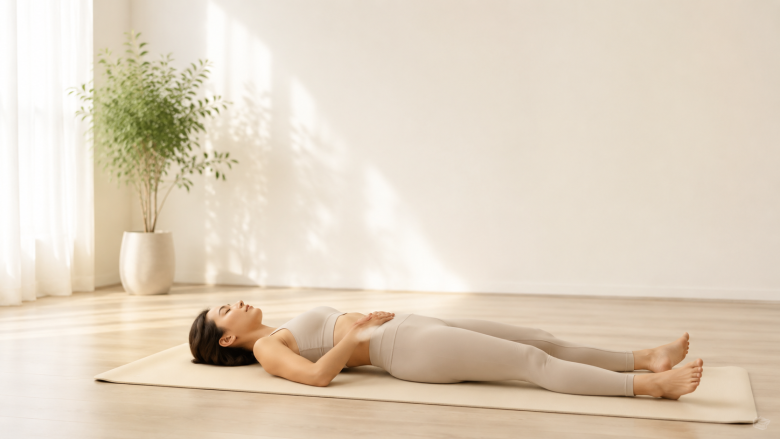
Most guided sessions are 20-35 minutes, but if you're new, that's too long. You'll either fall asleep or get restless. Start with 10 minutes. Use an app like Insight Timer or a free YouTube video. Set a timer so you don't worry about the time. I tell my students to practice in a seated position for the first few sessions - it keeps you awake. Once you can stay aware for 10 minutes, graduate to lying down.
Choose a Consistent Time
Morning practice before breakfast is best for reducing daytime anxiety. Evening practice before bed is best for sleep. Pick one and stick to it for at least two weeks. I recommend morning practice if you're prone to anxiety, because it sets the tone for the day. Evening practice if you have insomnia. You can do both later, but don't start with both - you'll burn out.
The Common Mistake: Trying Too Hard to Relax
The thing nobody tells you about yoga nidra is that relaxation is not a goal you chase. It's a byproduct of letting go. When I first started, I would try to "feel" relaxed, and I'd end up frustrated. The practice is about observing your thoughts without judgment, not forcing them away. If you notice your mind wandering, that's normal. The moment you notice, you're already back. The instruction is to gently return to the voice, not to scold yourself. This non-striving attitude is the core skill.
What Can Go Wrong: A Personal Story
Early in my teaching, I had a student who was determined to "fix" her chronic pain with yoga nidra. She practiced for 30 minutes every day for a week. On day five, she called me in tears because the pain had intensified. She thought she was doing it wrong. I explained that her body was releasing tension that had been held for years. The pain was a sign of processing, not failure. We switched to a 10-minute practice with a body scan that emphasized "sending breath to the pain" rather than "relaxing" it. Within a week, the pain subsided to its baseline, and by the third week, it was significantly reduced. The lesson: yoga nidra is not a passive experience. It's an active engagement with your inner landscape. If you approach it with the intent to "fix" yourself, you'll be disappointed. If you approach it with curiosity, you'll be amazed.
How to Know If It's Working: Objective Markers
You don't have to rely on subjective feelings. Here are three measurable ways to track your progress:
- Heart rate variability: If you have a wearable, check your HRV score before and after a session. A consistent increase of 10-20% after practice is a good sign.
- Sleep latency: The time it takes you to fall asleep. After two weeks of daily practice, you should see a decrease of at least 10 minutes.
- Morning cortisol: You can order a saliva cortisol test online. Measure your cortisol within 30 minutes of waking on day 1 and day 14. A downward trend is expected.
I also recommend journaling for 2 minutes after each session. Write down any emotions that came up. This helps you notice patterns. One of my clients realized she was holding tension in her jaw every time she practiced, and that awareness led to her addressing a lifelong teeth-grinding habit.
Combining Yoga Nidra with Other Relaxation Techniques
Yoga nidra is powerful on its own, but it pairs well with other evidence-based methods. For example, progressive muscle relaxation (PMR) before yoga nidra can deepen the physical release. Or you can use a weighted blanket to enhance the sense of safety. Another combination is to practice yoga nidra after gentle stretching or a short walk. The key is to avoid stimulating activities, like caffeine or screen time, in the hour before practice.
If you're looking for a comprehensive evening routine, I've outlined one in our article on minimalist bedtime planning. It includes a step-by-step sequence that integrates yoga nidra with breathing exercises and sleep hygiene. You can also use a tool like the Yoga Steps Equivalent Calculator to track your overall physical activity, which complements the relaxation practice - but remember, yoga nidra is not a substitute for movement. It's the counterbalance.
The Bottom Line: Yoga Nidra Is a Skill, Not a Quick Fix
Yoga nidra for deep relaxation is one of the most effective tools I know for resetting your nervous system. It lowers cortisol, improves HRV, and over time, rewires your brain for resilience. But it's not for everyone, and it's not a magic pill. You need to respect the contraindications, start slow, and practice consistently. The benefits are cumulative, and the changes are real.
If you're ready to start, find a reputable guided audio that's short and simple. Do it at the same time every day for two weeks. Track your sleep and stress levels. And most importantly, be patient with yourself. The relaxation you're seeking is already within you - yoga nidra just helps you remember how to access it.
Have you tried yoga nidra? What was your experience? I'd love to hear your story in the comments.