Not All Sleep Teas Work the Same Way
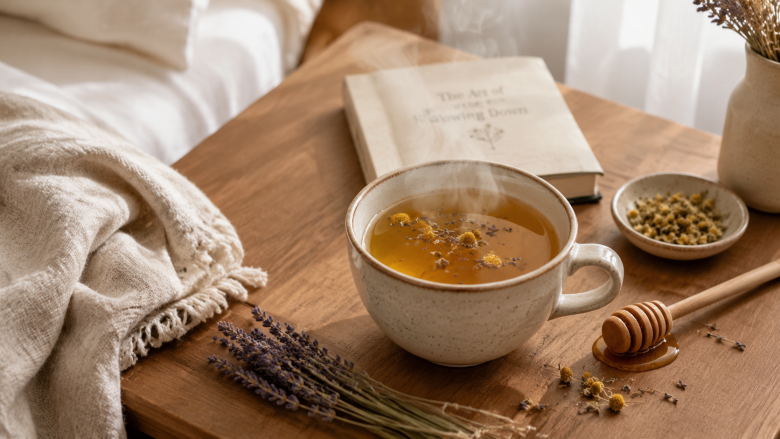
If you have ever brewed a cup of chamomile tea, waited 20 minutes, and then stared at the ceiling for two hours wondering what went wrong, you are not alone. The truth is that herbal tea for sleep and relax is not a one-size-fits-all solution. The right tea for your friend who cannot turn off their brain might be completely wrong for you if your problem is tense shoulders and a restless body.
The key to getting real results is matching the herb to your specific sleep profile. A racing mind responds to different botanicals than muscle tension does. And the way you brew the tea matters just as much as which tea you choose. In this guide, you will learn how to identify your sleep pattern, which herbs target that pattern, and exactly how to prepare them for maximum effect.
I have spent years testing these teas in my own evening routine - and making plenty of mistakes along the way. The first time I tried valerian root, I brewed it like black tea with boiling water and let it steep for 10 minutes. The result was a bitter, murky cup that tasted like damp earth and left me groggy the next morning. I almost wrote off valerian entirely. But after adjusting the water temperature and steeping time, I discovered it can be one of the most effective herbs for deep sleep - if you treat it with respect.
Core takeaway: The most effective herbal tea for sleep and relax is the one that matches your specific sleep complaint, brewed correctly, and consumed at the right time.
Why Herbal Tea Is Not a Sedative (And Why That Matters)
Let me clear up a common misconception: chamomile and valerian are not sedatives in the way that prescription sleep aids are. They do not knock you out. Instead, they work by gently influencing neurotransmitters like GABA and serotonin, which help your nervous system shift from a state of alert to a state of calm.
This is why people who expect a "sleep pill effect" are often disappointed. If you are wired from a stressful day and you drink a cup of chamomile tea, you will not feel suddenly drowsy. You will feel slightly more relaxed, and that relaxation creates the conditions for sleep to happen naturally.
The practical implication is that timing matters. You cannot chug a cup of tea and expect to be asleep in 10 minutes. You need to give the herbs time to work, which means building tea into a 30-to-60-minute wind-down routine. As we covered in our guide on tracking your sleep patterns at home, consistent evening routines are often the missing piece for people who struggle with sleep onset.
Identify Your Sleep Profile First
Before you buy any tea, take an honest look at what actually happens when you try to fall asleep. I have found that most people fall into one of four distinct sleep profiles, and each responds best to a different set of herbs.
Profile 1: The Racing Mind
You lie down, and your brain immediately starts replaying conversations, making to-do lists, or worrying about tomorrow. Your body feels tired, but your mind will not shut off. This is the most common profile I encounter, and it responds best to nervine herbs that calm the central nervous system.
Best herbs: Lemon balm, passionflower, and skullcap. These herbs work on GABA receptors to reduce mental chatter without causing drowsiness. A tea blend with equal parts lemon balm and passionflower is my go-to recommendation for this profile.
Profile 2: The Tense Body
You feel physically wound up. Your jaw is clenched, your shoulders are up around your ears, and your muscles feel tight even when you are lying down. This profile responds best to antispasmodic herbs that relax muscle tissue.
Best herbs: Chamomile, lavender, and valerian root. Chamomile is a mild muscle relaxant, while lavender works both through aroma and ingestion. Valerian is stronger and works well for people who carry tension in their neck and back.
Profile 3: The Middle-of-the-Night Waker
You fall asleep easily but wake up at 2 or 3 a.m. and struggle to get back to sleep. This pattern is often linked to blood sugar dips or cortisol spikes. Herbs that support steady blood sugar and calm the stress response are most helpful here.
Best herbs: Cinnamon, passionflower, and magnolia bark. Cinnamon helps stabilize blood sugar, while passionflower and magnolia reduce the cortisol surge that can pull you out of deep sleep.
Profile 4: The Anxious Pre-Sleeper
You are not necessarily wired or tense - you are just anxious. You feel a low-grade sense of dread or unease as bedtime approaches. This profile benefits from herbs that have anxiolytic (anti-anxiety) properties.
Best herbs: Ashwagandha, lemon balm, and hops. Ashwagandha is an adaptogen that lowers cortisol over time, while lemon balm and hops have immediate calming effects.
| Sleep Profile | Key Symptom | Best Herbs | Brewing Time |
|---|---|---|---|
| Racing Mind | Mental chatter, overthinking | Lemon balm, passionflower | 10-15 min |
| Tense Body | Muscle tightness, jaw clenching | Chamomile, lavender, valerian | 5-10 min |
| Night Waker | Wakes at 2-3 a.m. | Cinnamon, passionflower, magnolia | 10-15 min |
| Anxious Pre-Sleeper | Low-grade anxiety at bedtime | Ashwagandha, lemon balm, hops | 10-15 min |
The 7 Most Effective Herbs, Ranked by Evidence
Not all herbs are created equal. Some have decades of clinical research behind them, while others are popular mostly because of tradition. Here is my honest assessment based on both research and personal experience.
1. Chamomile - The Gentle Starting Point
Chamomile is the most well-known herb for sleep, and for good reason. It contains apigenin, an antioxidant that binds to GABA receptors in the brain and promotes relaxation. A 2016 review in Molecular Medicine Reports found that chamomile extract improved sleep quality in older adults.
That said, chamomile is mild. If you have severe insomnia, it will not be enough on its own. I recommend it as a base herb that you can blend with stronger herbs like passionflower or valerian.
How to brew: Use 1 tablespoon of dried chamomile flowers per 8 ounces of water at 200 degrees Fahrenheit. Steep for 5 to 7 minutes. Do not oversteep, or it becomes bitter.
2. Valerian Root - The Potent But Tricky Option
Valerian root has the strongest evidence for sleep of any herb on this list. A 2015 meta-analysis in the Journal of Evidence-Based Complementary and Alternative Medicine found that valerian improved sleep quality without significant side effects.
But valerian is tricky. It smells and tastes like dirty socks. And it does not work for everyone - about 10 percent of people feel stimulated rather than sedated. If you are in that group, you will know within the first two nights, and you should switch to a different herb.
My personal mistake: I used boiling water and steeped for 10 minutes, which extracted too many bitter compounds. The correct method is 185 degrees Fahrenheit for 5 to 8 minutes. Start with 1 teaspoon of dried root per cup, not more.
Safety note: Valerian can cause vivid dreams or grogginess the next morning in some people. Do not drive or operate machinery the morning after your first few attempts.
3. Passionflower - The Best for Racing Thoughts
Passionflower is my top choice for the racing mind profile. It increases GABA levels in the brain, which slows down mental activity without making you feel drugged. A 2011 study in Phytotherapy Research found that passionflower tea improved sleep quality in adults with mild sleep issues.
Passionflower has a mild, slightly grassy taste that most people find pleasant. It blends well with lemon balm and chamomile.
How to brew: Use 1 to 2 teaspoons of dried passionflower per 8 ounces of water at 200 degrees Fahrenheit. Steep for 10 minutes to extract the active compounds.
4. Lemon Balm - The Mood Stabilizer
Lemon balm is a member of the mint family, and it tastes like a gentle lemon-mint combination. It is excellent for people whose sleep issues are tied to anxiety or stress. Research in Nutrients suggests that lemon balm can reduce stress and improve calmness.
What most people do not realize is that lemon balm takes about 2 weeks of regular use to build up in your system for full effect. It is not a one-night fix. I recommend using it as part of a nightly tea routine for at least 2 weeks before judging its effectiveness.
How to brew: Use 1 to 2 teaspoons of dried lemon balm per 8 ounces of water at 200 degrees Fahrenheit. Steep for 10 minutes.
5. Lavender - The Aromatic Option
Lavender works through both smell and taste. The scent alone has been shown in multiple studies to slow heart rate and reduce stress. But lavender tea is an acquired taste - it can taste like perfume if you brew it too strong.
I recommend using lavender as a secondary herb in a blend rather than the star of the show. A ratio of 1 part lavender to 3 parts chamomile works well.
How to brew: Use 1 teaspoon of dried lavender buds per 8 ounces of water at 190 degrees Fahrenheit. Steep for 5 minutes only. Any longer and it becomes soapy.
6. Magnolia Bark - The Cortisol Blocker
Magnolia bark is less well-known, but it is one of the most effective herbs for people who wake up in the middle of the night. It contains honokiol, a compound that has been shown to reduce cortisol and act as a natural anxiolytic.
Magnolia bark has a woody, slightly spicy taste. It is not pleasant on its own, so I recommend blending it with cinnamon or ginger.
How to brew: Use 1 teaspoon of magnolia bark powder per 8 ounces of water at 200 degrees Fahrenheit. Steep for 10 minutes, then strain thoroughly.
7. Ashwagandha - The Long-Term Rebuilder
Ashwagandha is an adaptogen, which means it helps your body adapt to stress. It is not a quick fix like valerian, but it can be transformative for people with chronic anxiety-related insomnia. A 2019 study in Cureus found that ashwagandha significantly improved sleep quality and reduced time to fall asleep.
Ashwagandha has an earthy, slightly bitter taste. I recommend using it as a powder that dissolves in warm milk rather than as a tea, because it does not steep well.
How to use: Mix 1/2 to 1 teaspoon of ashwagandha powder into warm milk or water 30 minutes before bed.
Exact Brewing Specifications for Every Herb
This is the section that most articles skip, but it is arguably the most important. If you brew at the wrong temperature or for the wrong amount of time, you will either extract too many bitter compounds or not enough active ingredients.
Water Temperature Guide
- Delicate leaves (lavender, lemon balm, chamomile): 190-200 degrees Fahrenheit
- Roots and barks (valerian, magnolia): 200-212 degrees Fahrenheit
- Seeds and berries (fennel, anise): 200 degrees Fahrenheit
Steeping Time Guide
- Leaves and flowers: 5-10 minutes. Never exceed 10 minutes, or you will extract tannins that cause bitterness.
- Roots and barks: 10-15 minutes. These need longer to release their active compounds.
- Powders (ashwagandha, turmeric): Dissolve in hot liquid rather than steeping.
When to Drink
Drink your tea 30 to 60 minutes before you plan to fall asleep. This gives the herbs time to enter your bloodstream and start working. If you drink it too early, the effects may fade by the time you get into bed. If you drink it too late, you may need to use the bathroom in the middle of the night.
The one exception is valerian. Valerian works best when taken 45 to 60 minutes before bed because its sedative effect peaks around the 1-hour mark.
Build-Your-Own Blend Table
Instead of buying expensive pre-made blends, you can create your own with dried herbs from a bulk supplier. This is cheaper and lets you customize based on your taste preferences. Here is a simple framework.
| Base Herb (50%) | Support Herb (30%) | Flavor Herb (20%) | Best For |
|---|---|---|---|
| Chamomile | Passionflower | Lemon balm | Racing mind |
| Valerian root | Chamomile | Peppermint | Muscle tension |
| Lemon balm | Ashwagandha | Cinnamon | Anxiety |
| Passionflower | Magnolia bark | Ginger | Night waking |
Start with 1 tablespoon of the total blend per 8 ounces of water. Adjust the ratios after your first cup. Most people find they need to increase the support herb over time as they build tolerance.
Who Should Avoid Herbal Sleep Teas
Herbal teas are natural, but "natural" does not automatically mean safe for everyone. Here is who should be cautious.
Pregnant or Nursing Women
Many sleep herbs are not recommended during pregnancy. Chamomile is generally considered safe in food amounts, but valerian, passionflower, and ashwagandha have not been proven safe for pregnancy. The CDC recommends discussing all herbal supplements with your doctor during pregnancy. Do not assume that because it is tea, it is fine.
People on Sedative Medications
Valerian, passionflower, and lemon balm all interact with GABA receptors, which means they can amplify the effects of prescription sedatives like benzodiazepines or sleep aids. This can lead to excessive drowsiness and dangerous drops in blood pressure. If you take any medication for anxiety or sleep, talk to your doctor before adding herbal teas.
People Taking Antidepressants
Ashwagandha and valerian can interact with SSRI and SNRI antidepressants. The combination may cause serotonin syndrome, a potentially serious condition. If you take antidepressants, I strongly recommend avoiding herbal sleep teas until you have discussed it with your prescriber.
People with Liver Conditions
There have been rare case reports of valerian and ashwagandha causing liver injury in people with pre-existing liver disease. If you have any liver condition, skip these herbs entirely and stick with chamomile or lemon balm.
Children Under 12
Most sleep herbs have not been studied in children. Chamomile tea is generally recognized as safe in moderate amounts, but I would not give valerian or passionflower to a child without pediatrician approval.
The Thing Nobody Tells You About Herbal Sleep Tea
Here is the insight I have gained from years of experimentation: the tea itself is only about 30 percent of the effect. The other 70 percent comes from the ritual of making and drinking it.
When you take 10 minutes to boil water, measure herbs, wait for them to steep, and then sit quietly while you drink, you are sending a powerful signal to your body that the day is over. I have seen people get better results from a placebo cup of hot water drunk in a quiet, dimly lit room than from a strong valerian tea drunk while scrolling on their phone.
This is why I recommend pairing your tea with a simple wind-down routine. Turn off screens, dim the lights, and drink your tea in a place where you will not be disturbed. If you need help setting up your environment, see our guide on blocking light for deeper sleep and creating a sleep-friendly bedroom.
Another thing I have learned the hard way: consistency beats intensity. Drinking a moderate cup of chamomile every night for a month will do more for your sleep than drinking a triple-strength valerian tea once a week. Your nervous system learns to associate the taste and smell of the tea with the transition to sleep, and that association becomes part of the effect.
How to Build Your First Sleep Tea Routine
If you are new to this, here is a simple step-by-step plan to get started without getting overwhelmed.
- Pick one herb that matches your sleep profile. Do not buy a 10-herb blend at the start. Choose a single herb and learn how it affects you.
- Brew it correctly. Use the temperature and steeping guidelines above. Write down what you did so you can repeat it.
- Drink it 45 minutes before bed for 5 consecutive nights. Keep a simple sleep diary noting how long it took to fall asleep and how many times you woke up.
- Evaluate. If you notice improvement, keep going. If not, switch to a different herb or adjust your steeping time.
- Add a second herb after 2 weeks. Once you know how the first herb affects you, you can build a blend that targets multiple aspects of your sleep.
For a more structured approach to understanding your sleep cycles, try our sleep stages calculator to see how many sleep cycles you are getting each night.
Final Thoughts: Herbal Tea Is a Tool, Not a Cure
The phrase "herbal tea for sleep and relax" gets searched thousands of times a month because people are desperate for a gentle, natural solution to poor sleep. I want to be honest with you: tea alone will not fix chronic insomnia that stems from anxiety, pain, or a chaotic sleep schedule.
But for mild sleep difficulties, occasional restlessness, or the general stress of modern life, a well-chosen, properly brewed herbal tea can be genuinely transformative. It gives you a reason to slow down, a moment of quiet, and a gentle chemical nudge toward calm.
Start with the sleep profile that matches your experience. Choose one herb. Brew it correctly. Drink it consistently. And give it at least two weeks before you decide whether it works.
If you have been struggling for a long time and nothing seems to help, please talk to a healthcare provider. Sleep is not just about herbs - it is about your physical health, mental health, and environment. But for many people, a simple cup of tea at the right time is the missing piece that turns a restless night into a restful one.