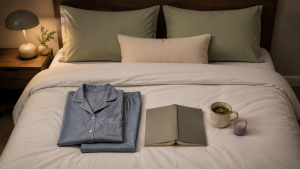
I still remember my trip to Tokyo a couple of years ago. After a 14-hour flight, I stumbled into my hotel room feeling like a zombie, wide awake at 3 a.m. local time while my body screamed it was noon back home. Jet lag hit hard, turning simple things like meetings or sightseeing into a foggy battle. That experience taught me how jet lag disrupts our internal clock, the circadian rhythm that syncs our sleep-wake cycle to light and dark cues.
Basically, crossing time zones throws off this rhythm because your body’s melatonin production— the hormone that signals sleep—gets confused by mismatched day-night signals. The good news? A simple, portable bedtime routine can act as an anchor, helping realign things faster. It’s like giving your body familiar cues no matter where you are. In this post, I’ll share science-informed tips I’ve tested on multiple trips, from pre-flight prep to evening habits.
These steps draw from how our bodies respond to consistent signals like dim light and relaxation. You don’t need fancy gadgets; just packable basics and a bit of planning. Try experimenting with a few on your next trip, and notice how your energy and mood shift. It often makes recovery quicker and mornings brighter.
How Jet Lag Messes with Your Body Clock and Why Evening Habits Help
Jet lag happens when rapid travel across time zones desynchronizes your circadian rhythm from the new local time. Your suprachiasmatic nucleus—the brain’s master clock—relies on light exposure to reset, but it can take a day or more per time zone crossed. This mismatch often ramps up stress hormones like cortisol, making sleep fragmented and daytime groggy.
Evening bedtime routines help by providing reliable cues that prompt melatonin release around the target bedtime. Dimming lights reduces blue light interference, mimicking sunset and signaling rest. Wind-down activities calm the nervous system, lowering that travel-induced stress response. For example, after a red-eye to London, I used a 20-minute routine and slept through by night two, feeling more centered.
These habits tend to speed adaptation because they layer multiple signals: light, movement, and relaxation. They don’t erase jet lag but often shorten its grip from days to hours. Consistency is key—stick to the new zone’s schedule right away.
Pre-Flight Tweaks to Prime Your Sleep System
Starting adjustments before you fly can ease the shock to your rhythm. Aim to shift your bedtime gradually in the direction of travel, about one hour per day for 2-3 days prior. This preps your clock without full disruption at home.
For westward travel, like U.S. to Hawaii, seek bright morning light to delay your rhythm—think a 30-minute outdoor walk post-wakeup. Eastward, like to Europe, dim evenings early and avoid screens to advance it. These tweaks leverage light’s strong influence on melatonin timing.
Track simple signals like your energy levels or how quickly you fall asleep using tips from How to Track Sleep Without Fancy Gadgets. It helps spot what works for your body. Experiment safely, adjusting based on your usual sleep patterns.
Your Portable Jet Lag Bedtime Checklist
This table outlines a 15-30 minute routine you can do anywhere—from hotel rooms to Airbnbs. It’s designed for easy packing, with steps that cue relaxation and rhythm reset. Print it or jot on your phone; check off as you go to build the habit. Customize based on your needs, like adding more breathwork if stress runs high.
| ☐ | Habit | How to Do It (15-30 min routine) | Why It Helps Reset Your Rhythm | Travel Adaptation Tip |
|---|---|---|---|---|
| ☐ | Dim the Lights | Switch off overheads 30 minutes before target bedtime; use a small lamp or phone flashlight. Pack blue-light blocking glasses if needed. | Cuts blue light that suppresses melatonin, mimicking natural dusk to advance or stabilize your clock. | Hotel lamps work; glasses fold small for carry-on. |
| ☐ | Breathwork Sequence | Sit or lie down: 4-7-8 breathing (inhale 4 sec, hold 7, exhale 8) for 5 rounds, then body scan relaxation. | Activates parasympathetic system, reducing cortisol from travel stress for deeper sleep onset. | No gear needed; apps optional but phone on airplane mode. |
| ☐ | Herbal Tea Ritual | Brew chamomile or valerian (caffeine-free), sip slowly while avoiding screens. 8 oz max. | Gentle compounds may promote drowsiness without grogginess, supporting melatonin flow. | Tea bags pack flat; request hot water at hotel. |
| ☐ | Device Curfew | Set phone to grayscale and Do Not Disturb one hour prior; read a physical book or journal instead. | Breaks stimulation loop, allowing natural wind-down aligned to local time. | Kindle or paperback fits in toiletry bag. |
| ☐ | Gratitude Journal | Jot 3 things from the day and tomorrow’s plan, 5 minutes max. | Shifts mind from travel worries, quieting racing thoughts for faster sleep. | Small notebook and pen always in purse. |
| ☐ | Gentle Stretches | Bedside yoga: neck rolls, forward fold, legs up wall for 5-10 minutes. | Releases tension, improves circulation to aid melatonin distribution. | Mat unnecessary; use hotel towel for grip. |
Use this nightly upon arrival, even if not sleepy—it reinforces the new rhythm. Many travelers find it cuts fog by day two. Pair it with your pre-flight shifts for best flow.
Layer in Light and Movement for Deeper Sleep Alignment
Beyond basics, strategic light exposure amplifies routine effects. Upon waking in the new zone, get 30 minutes of natural morning light—open curtains or step outside. This tells your clock “it’s day,” speeding advance for eastward trips.
For evenings, wear blue-blockers during your routine if city lights intrude. Gentle movement like a 10-minute walk post-arrival helps too, syncing activity to local time. These steps may support faster adaptation, especially westward where delaying sleep comes easier.
For instance, on a Sydney trip, morning beach walks plus blockers helped me adjust in 48 hours. Track how light tweaks affect your alertness, tweaking as needed. It’s a flexible layer to your checklist.
Smart Snacks and Sips to Avoid Sleep Disruptors
Hydration is crucial—airplane cabins dehydrate, worsening fatigue. Aim for steady water sips all day, cutting caffeine after noon local time to protect evening melatonin.
Opt for light bedtime snacks like a banana with almond butter; they provide tryptophan for serotonin-melatonin conversion without heavy digestion. Skip alcohol and big meals close to bed—they fragment sleep via blood sugar swings.
Three ideas: electrolyte packets for flights, herbal tea as routine staple, and nuts for sustained energy. These choices often steady your rhythm by minimizing gut-sleep interference. Notice digestion in your tracking.
Link this to a 30-Minute Pre-Bed Wind-Down Routine for seamless evenings, even at home prep.
Safety Notes: Listen to Your Body on the Road
Most jet lag eases in 1-3 days per time zone, but tweak if you have chronic sleep issues or take meds like blood pressure drugs. Older adults or those with health conditions may adapt slower—shorten routines if overwhelming.
Watch for severe symptoms like ongoing headaches or extreme fatigue; consult a doctor if lasting over a week. Personalize based on age, trip length, and feel—start small. Persistent issues warrant professional check-in.
FAQ
How soon before travel should I start a bedtime routine?
Often 2-3 days ahead works well for gradual shifts, especially longer flights. This primes your system without disrupting home life too much. Vary by trip: short hauls may need just one day; track how your energy responds to fine-tune.
Does melatonin pair well with this routine?
It may assist short-term for harder shifts, timed to destination bedtime (0.5-5mg). Combine with light cues and wind-down for synergy, but check interactions with meds. Consult a doc first, as effects vary by person.
What if my hotel setup isn't ideal for wind-down?
Improvise with earplugs, eye mask, or white noise from a phone app on airplane mode. Hang a towel over bright clocks; use the bathroom sink for tea. Focus on breathwork—it's gear-free and powerful anywhere.
How do I adapt for eastward vs. westward travel?
Eastward (advance clock): early dim lights, morning light post-arrival. Westward (delay): later bedtimes, evening light avoidance. Routine consistency bridges both, with pre-flight shifts amplifying. East often feels tougher—add extra hydration.
When should I worry about jet lag lasting too long?
Typically fades in 1-3 days per zone crossed. If over a week with dizziness, nausea, or mood dips, see a doctor—it could signal dehydration or underlying issues. Track symptoms daily for patterns.
Grab your checklist for the next trip and experiment—start with three habits, note sleep quality and daytime vibe. A Weekly Sleep Schedule for Busy Families can extend these wins home. Share your tweaks in the comments; better rest awaits!