Have you ever lain in bed after a long day, mind racing with tomorrow's to-do list, tossing and turning for what feels like hours? You're not alone—many of us struggle to switch off when stress lingers. The good news is that simple breathing techniques can help calm your nervous system quickly, often easing you into sleep faster without pills or gadgets.
As someone who's fine-tuned my evenings around better rest, I turn to breathwork as my go-to. It taps into your body's built-in relaxation response, helping lower heart rate and quiet mental chatter. In this guide, I'll share why it works, four techniques to try tonight, a simple 10-minute routine, and tips to track what helps you most.
These methods draw from practices studied for stress reduction, making them accessible for beginners. No special equipment needed—just you, your breath, and a few minutes. Let's explore how to make falling asleep feel more natural.
Why Breathing Techniques Quiet Your Mind for Sleep
Breathing techniques can help shift your body from the stress-filled "fight or flight" mode to a calmer state. Slow, intentional breaths activate the parasympathetic nervous system, which often lowers heart rate and reduces cortisol levels—the hormone tied to wakefulness. This process tends to quiet racing thoughts, creating space for sleep.
Picture this: after a tense work call, your chest feels tight, and worries replay in your head. A few minutes of guided breathing can interrupt that cycle, signaling to your body it's safe to unwind. Studies on relaxation methods show this often leads to faster sleep onset for many people.
Unlike counting sheep, breathwork engages your physiology directly. It may not erase every worry, but it often softens their grip. With practice, you'll notice your mind settling more readily at bedtime.
Your Body's Natural Sleep Switch: Breath and the Nervous System
Your circadian rhythm—the internal clock guiding sleep—works best when stress signals don't override it. Slow breathing helps by calming the sympathetic nervous system, which ramps up during anxiety. This balance supports deeper rest, especially in the evening.
For example, pairing breathwork with how to adjust light for evening calm enhances the effect. Dim lights signal nighttime to your brain, while steady breaths reinforce that message. Beginners often find this combo eases the transition from day to night.
Evidence from wellness research highlights how rhythmic breathing mimics pre-sleep patterns, like those in deep meditation. It tends to improve sleep quality over time without forcing drowsiness. Anyone can start, even if evenings feel chaotic.
Four Breathing Techniques Worth Trying Tonight
Ready to experiment? These four techniques are straightforward and backed by their use in stress management programs. Each targets relaxation differently, so pick one based on your mood—rushed day or winding down slowly.
They take just minutes and build familiarity with practice. Use the table below for a quick comparison, then try one in bed. Starting small helps you find what clicks.
| Technique | Key Steps | Why It May Help | Practice Time |
|---|---|---|---|
| 4-7-8 Breathing |
Repeat 4 cycles. |
May slow heart rate quickly, promoting drowsiness by extending exhales. | 2-4 minutes |
| Box Breathing |
Repeat 5-10 times. |
Balances oxygen and CO2, often calming overactive thoughts evenly. | 3-5 minutes |
| Diaphragmatic Breathing |
Continue for rhythm. |
Engages full lung capacity, reducing shallow stress breaths. | 4-5 minutes |
| Alternate Nostril Breathing |
Repeat 5-10 cycles. |
Balances brain hemispheres, often easing mental tension. | 3-5 minutes |
After trying one, note how your body feels—relaxed muscles or clearer mind? Start with 2 minutes if full sessions feel long. Over time, these become second nature for bedtime.
Safety Notes and When to Pause
Breathing exercises are generally safe for most people and low-risk compared to sleep aids. They rely on your natural physiology, so side effects are rare. Always prioritize comfort.
If you have asthma, COPD, or recent surgery, check with a doctor first—these can affect breath control. Stop immediately if you feel dizzy, lightheaded, or short of breath. Listen to your body; modify by shortening holds or breathing gently.
For panic-prone folks, start seated rather than lying down. This keeps things approachable and builds confidence safely.
Crafting Your 10-Minute Bedtime Breath Routine
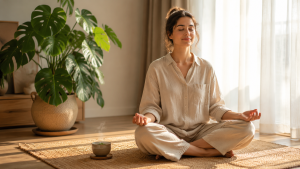
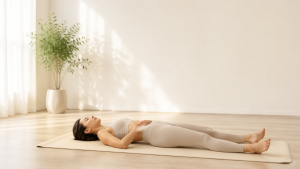
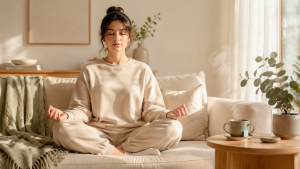
Build a routine by stacking habits that signal sleep. Begin in a quiet spot: dim lights, loose clothes, and a comfy position—propped up or flat. This sets the stage without overwhelm.
Here's a simple flow I've used: Spend 3 minutes on diaphragmatic breathing to settle in. Follow with 4-7-8 for 4 minutes to deepen calm. End with box breathing for 3 minutes, eyes closed.
Personal tip: I pair this with how to adjust room temp for sound sleep, around 65-68°F, for extra coziness. Track your fall-asleep time nightly in a notes app. Experiment this week—what shifts your energy tomorrow?
To make it stick, use a gentle alarm for the 10 minutes. Transition straight to sleep position after. Small tweaks, like adding a favorite scent, personalize it further.
Track Progress and Tweak for Your Best Sleep
Notice simple signals: How many minutes to drift off? Morning mood or energy levels? Jot these in a journal weekly—no fancy apps needed.
If one technique falls flat, swap it—bodies vary. Maybe alternate nostril suits creative minds, while box works for analytical types. Patience pays off; many see improvements in 1-2 weeks.
Encourage gentle experimentation. Combine with habits like earlier caffeine cutoffs. Your sleep will thank you with steadier rhythms.
Frequently Asked Questions
Can these breathing exercises work if I have chronic insomnia?
They may support relaxation and shorten time to sleep for some with insomnia, but results vary widely. These aren't a standalone fix—consider them alongside professional advice like CBT-I if symptoms persist over months. Track your response and consult a sleep specialist for tailored support.
How long before bed should I start breathing practice?
Aim for 15-30 minutes into your wind-down to avoid associating breathwork with wakefulness. This fits nicely after dinner or screen curfew, letting calm build naturally. Adjust based on your routine—earlier if stress peaks late.
What if I struggle with nasal breathing?
Switch to mouth breathing for inhales and exhales, keeping the rhythm intact—hygiene tip: sip water first if dry. It still activates relaxation, just less filtered. If congestion lingers, address allergies first for comfort.
Will these techniques make me fall asleep in under 5 minutes?
For many, they can reduce time to sleep onset, but it's individual—no set timeline fits all. Factors like daily stress or caffeine play in; track over nights to see your average drop. Consistency often brings the best shifts.
Can I combine breathing with other sleep habits like no screens?
Absolutely—stacking amplifies effects, like following a screen break with breathwork. Try it after how to wind down with breathing before bed for synergy. This multi-habit approach tends to strengthen your sleep foundation over time.
Comments
Pingback: Deep Breathing Techniques to Relax: The Prescription Breath for Panic, Performance, and Sleep - Silo Flick