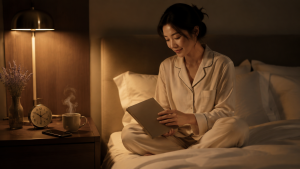
I remember nights when I'd scroll through social media until my eyes burned, only to toss and turn for hours. That changed when I committed to cutting out screens about two hours before bed. Now, I fall asleep faster and wake up feeling refreshed, with more steady energy during the day.
Screens can interfere with your natural sleep signals in sneaky ways. The blue light they emit tricks your brain into thinking it's daytime, while endless notifications keep your mind buzzing. In this guide, we'll cover the science, practical timing for powering down, screen-free evening swaps, a handy do's and don'ts table, bedroom setup ideas, tech helpers, and tracking tips to make it stick.
Many people notice improvements in sleep quality after just a few consistent evenings without screens. You'll likely feel calmer at bedtime and more alert in the morning. Let's dive into why this simple shift can help your rest.
The Science Behind Screens Stealing Your Sleep
Screens from phones, TVs, and laptops emit blue light, which is similar to sunlight. This light hits receptors in your eyes and signals your brain to stay awake. It often suppresses melatonin, the hormone that helps you wind down for sleep.
Your circadian rhythm, that internal clock guiding your sleep-wake cycle, gets disrupted too. Evening screen time shifts this rhythm later, making it harder to fall asleep at your usual time. Studies show this effect tends to linger, affecting deep sleep stages.
Beyond light, the content itself ramps up your stress response. Scrolling through news or messages can spike alertness hormones like cortisol. Over time, this may lead to poorer sleep efficiency, where you spend less time in restorative rest.
Dimming screens or using filters helps somewhat, but full avoidance in the evening often works best. Your body needs that pre-bed darkness to prepare for quality sleep. This understanding makes it easier to prioritize screen curfews.
Your Personal Screen Curfew: When to Power Down
Start with a screen curfew one to two hours before your target bedtime. If you aim for bed at 10 p.m., power down devices by 8 or 9 p.m. This gives your melatonin production time to ramp up naturally.
Adjust based on your sleep needs. Early risers might cut off earlier, around 7 p.m., while night owls could push to 9 p.m. if bedtime is 11 p.m. Experiment for a week to find what syncs with your energy.
For weekend flexibility, keep the curfew consistent to avoid rhythm shifts. Track how it affects your morning mood. Pair this timing with ideas from a simple evening routine for falling asleep faster to ease into rest.
Safety / when to be cautious: If screens are essential for work, use blue-light-blocking glasses or apps. Avoid forcing a strict cutoff if it causes stress, which can backfire on sleep.
Evening Rituals That Replace Endless Scrolling
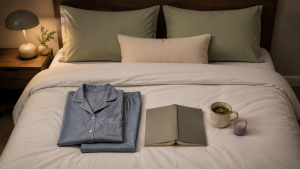
Swap scrolling for reading a physical book under soft light. I keep novels by my couch and find 20 minutes pulls me into a calm story, quieting my racing thoughts. This activity often signals my body it's time to unwind.
Try gentle stretching or yoga poses tailored for evenings. A simple sequence like child's pose and forward folds releases tension built up from the day. It boosts blood flow without overstimulating you.
Brew herbal tea, such as chamomile, and sip slowly while journaling three things you're grateful for. This ritual fosters positivity and reflection. Many report it helps transition mentally from day to night.
Listen to soothing podcasts or audiobooks with wired headphones in another room. Opt for calm topics like nature sounds or light fiction. Avoid anything exciting that might mimic screen engagement.
Take a warm bath or shower with dimmed lights. Add Epsom salts for muscle relaxation. This mimics the natural cooldown your body does before sleep, often improving fall-asleep time.
These swaps build habits that feel rewarding. Link them to bedtime tips to boost sleep quality for even stronger results. You'll notice your evenings becoming more restorative.
Evening Screen Do's and Don'ts
| Do This | Don't Do This | Why It Helps |
|---|---|---|
| Read a paperback book | Scroll social media feeds | Physical books avoid blue light and let your mind relax into narratives, unlike quick dopamine hits from likes. |
| Journal daily reflections | Check work emails | Writing processes emotions calmly, preventing mental replays that screens often trigger. |
| Sip herbal tea mindfully | Watch video clips | Tea warms your body for cooldown, without the visual stimulation that delays melatonin. |
| Practice deep breathing | Play mobile games | Breathing lowers heart rate steadily, countering the adrenaline from competitive apps. |
| Listen to soft music | Browse news sites | Audio engages imagination gently, avoiding stress-inducing content overload. |
| Chat with family face-to-face | Text late-night messages | Real connection grounds you, without notification pings disrupting focus. |
Design a Screen-Free Bedroom Haven
Keep all devices out of the bedroom entirely. Charge phones in the kitchen or living room overnight. This removes temptation and associates your bed with sleep only.
Use blackout curtains or an eye mask to block external light. Opt for warm-toned bulbs if you need nightlights. These choices support your circadian rhythm without screen interference.
Create a cozy charging station elsewhere with a timer plug. Add a small clock for time checks instead of your phone. I use a simple analog one that doesn't glow.
Safety / when to be cautious: Medical devices like CPAP machines may need screens, so consult your doctor for compatible dimming options. Prioritize function over strict rules.
These tweaks turn your bedroom into a rest sanctuary. They often lead to fewer wake-ups and deeper sleep cycles.
Smart Tech Tweaks to Enforce Your No-Screen Rule
Enable night mode or blue-light filters on devices you must use earlier. Apps like f.lux adjust colors automatically as evening hits. This softens the impact if full cutoff isn't possible yet.
Set built-in screen time limits or app blockers. Schedule auto-shutdowns post-curfew on phones and tablets. Do Not Disturb silences notifications without peeking.
Use automation like shortcuts to grayscale your screen after 8 p.m. It makes scrolling less appealing. No new gadgets needed—just phone settings.
These tools bridge to screen-free habits smoothly. They remind you gently without overwhelming choices.
Track Your Rest Wins and Adjust Gently
Start a simple sleep journal. Note curfew time, activities, fall-asleep estimate, and next-day energy on a 1-10 scale. Review weekly to spot patterns.
Celebrate small wins, like easier wind-downs. If energy dips, tweak your curfew earlier. Connect morning alertness to this with a morning habits plan for better night sleep.
Experiment for two weeks, then adjust. Track mood alongside sleep for fuller insights. This builds confidence in what works for you.
Frequently Asked Questions
Can I ever check my phone at night?
Occasional checks are okay if rare and quick, but aim to avoid them. Use an alarm clock instead for wake-ups. Consistent no-phone nights tend to yield better rest over time, with less fragmented sleep.
What if screens are part of my job?
Finish work screens well before bed, ideally three hours. Employ blue-blockers and dim settings during necessities. Balance with extra evening buffers to let your rhythm recover.
How long until I notice better sleep?
Many see changes in 3-7 days, like faster sleep onset. Full benefits, such as stable energy, may take 2-4 weeks. Individual factors like baseline habits influence speed.
Are all screens equally bad?
Phones and tablets are often worst due to proximity and blue light intensity. TVs from afar with dim rooms impact less. Still, any evening screen can shift circadian cues, so minimize all.
What about kids and screen cut-offs?
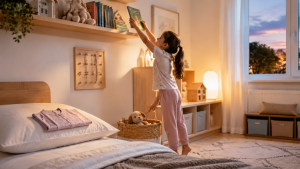
Kids benefit greatly, with curfews 1-2 hours before their bedtime. Use fun rituals like storytime. Their developing brains are extra sensitive, often showing mood and focus gains quickly.